
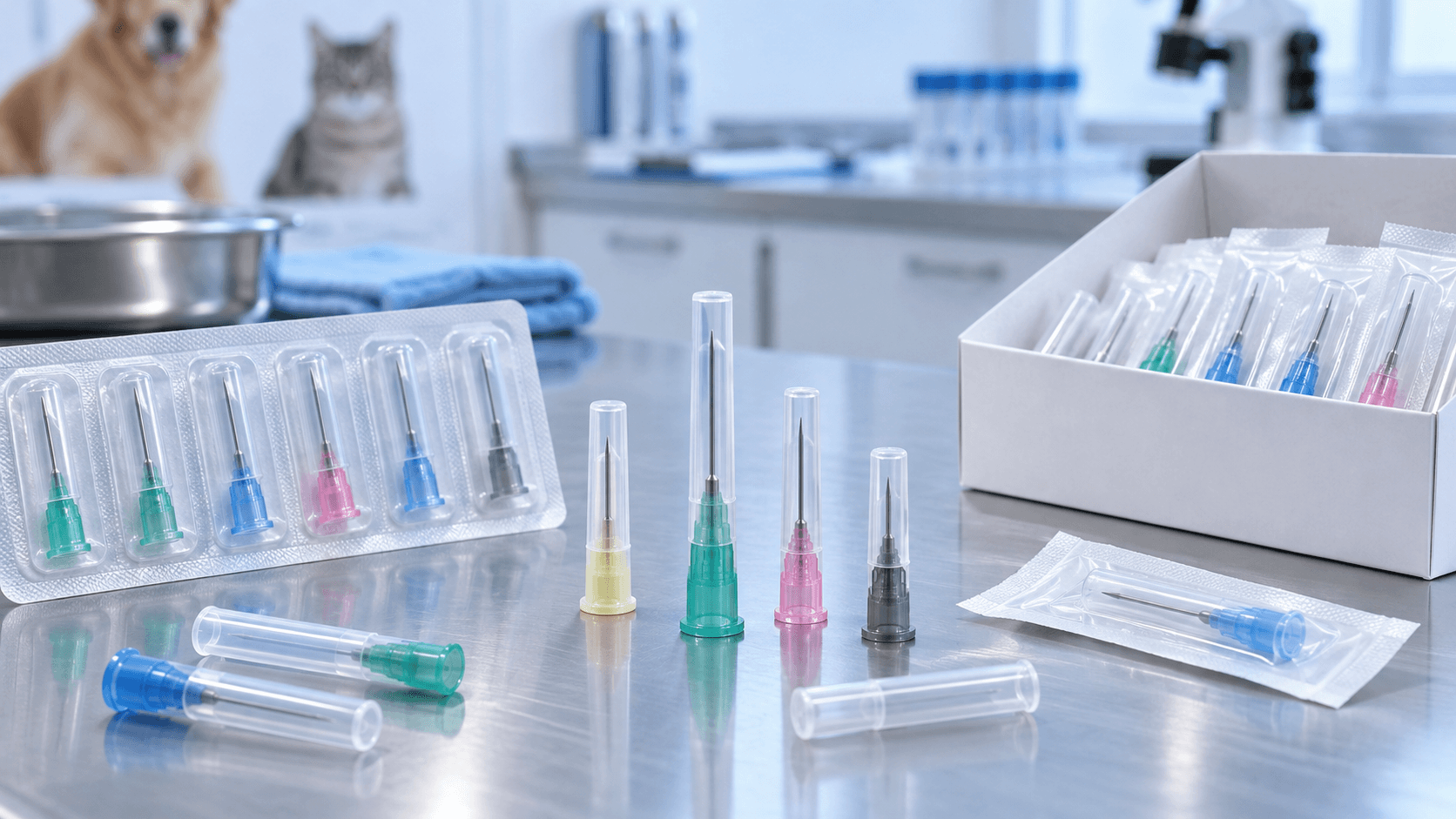
Quick answer
Choose a veterinary syringe cap by the tip, product, storage condition, transport handling and intended user interaction. The cap must protect the outlet, fit the selected tip, remain retained under the defined handling conditions and be removable in the intended way. It should also be compatible with filling, inspection, labeling and secondary packaging.
A cap should not be selected as a late accessory after the syringe and filling process are fixed. Tip geometry, cap material, retention features, removal force, product residue and pack orientation can affect the whole package. Review the actual barrel, tip, cap and product samples together, and record which checks belong to the package owner, supplier and quality team.
Why is cap selection a package decision?
The cap is part of the product presentation and the process interface. It can influence tip protection, leakage observation, handling, transport, label space and the ability to inspect the finished syringe. A cap that fits manually may not feed, seat or remain in position consistently in a commercial process.
The correct selection balances five questions:
- Does it fit and protect the intended tip?
- Does it remain retained during defined handling and transport?
- Can the intended user remove it without damaging the package?
- Can the process apply and inspect it consistently?
- Does the closure match the approved product presentation and instructions?
*Veterinary syringe cap selection connects tip protection, retention, removal and inspection.*
What cap information should be specified?
Tip and outlet geometry
Send the tip or outlet drawing and physical samples. Record length, external features, opening, shoulder, flange or other locating surfaces. Do not assume a cap designed for one tip will fit another with a similar outside diameter.
Cap material and features
Define the cap material reference, internal features, gripping surface, orientation and any seal or retention feature. If the material or supplier changes, repeat the agreed checks because fit and removal behaviour can change.
Product and residue
Explain whether the product is a liquid, gel, paste, ointment or suspension and whether it can reach the tip. Residue can affect cap seating, visual inspection and removal. The product owner should define acceptable residue conditions.
| Cap requirement | What can change the result | What to verify |
|---|---|---|
| Tip protection | Tip length, shoulder and cap depth | No damage or interference on representative samples |
| Retention | Cap feature, material and handling | Cap remains seated after defined handling |
| Removal | Grip, fit and product residue | Intended removal method and user presentation |
| Inspection | Cap colour, seating and visibility | Presence, position and damage criteria |
| Pack-out | Orientation, tray and carton | Loading, count and secondary-package fit |
How should retention and removal be balanced?
Retention and removal are related but not identical. A cap that is easy to remove may be vulnerable to displacement; a cap with high retention may be difficult for the intended user or process. Do not choose by intuition alone. Define the handling condition and the expected user interaction.
Retention review
Use representative cap and tip lots. Define orientation, handling, vibration or transport simulation only when the customer’s procedure requires it. Record whether the cap remains seated, tilts, cracks or damages the tip. Avoid presenting an internal trial as a universal transport qualification.
Removal review
Record the intended opening method and whether the user should remove the cap once or repeatedly. Review grip, removal direction, cap damage and tip condition after opening. The package owner must approve the final instructions and route presentation.
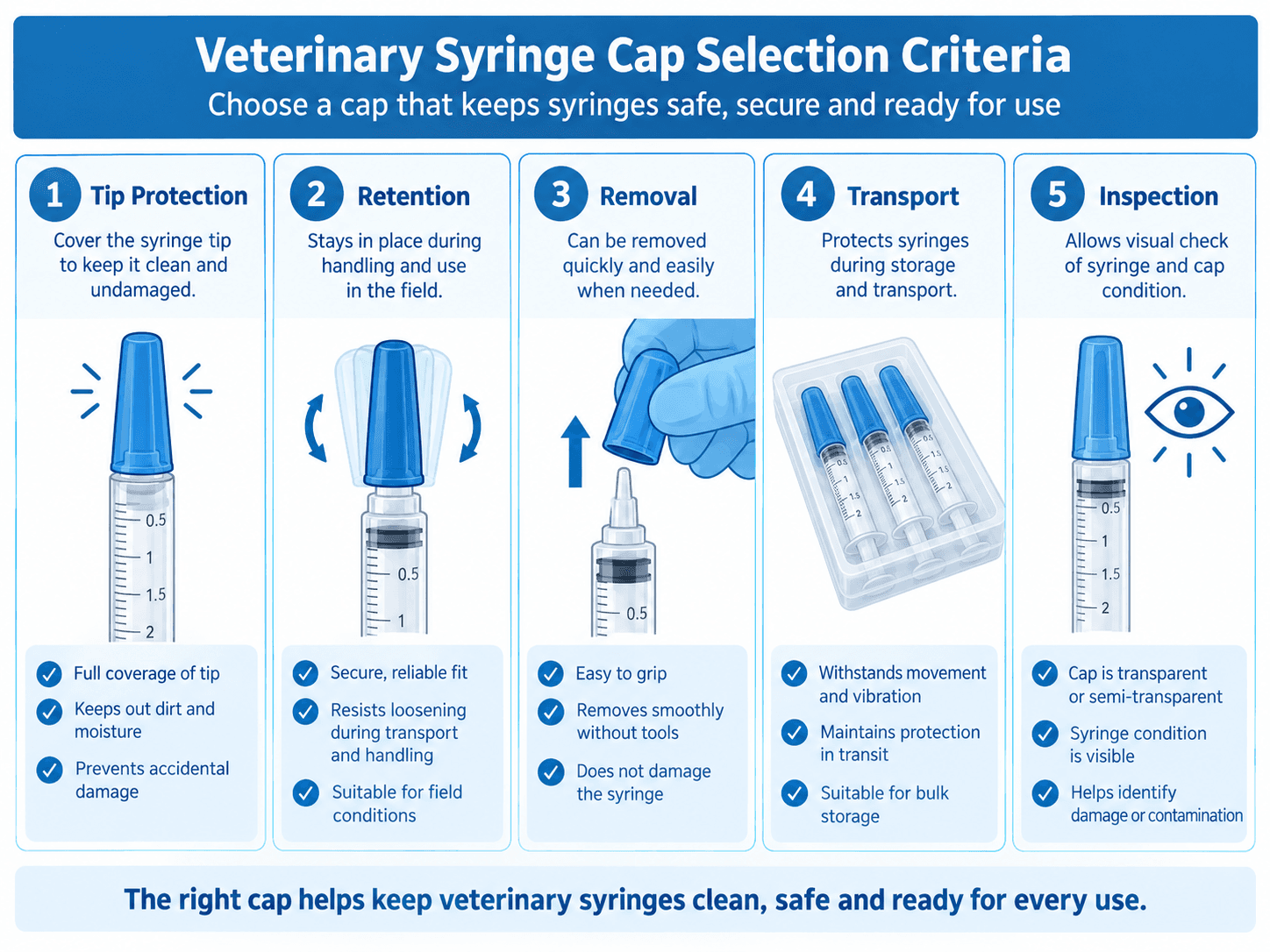
*Cap inspection should cover presence, seating, damage and intended removal.*
How does the product form affect the cap?
| Product form | Cap-related concern | Trial focus |
|---|---|---|
| Liquid | Drip, leakage and tip cleanliness | Seating, residue and orientation |
| Gel | Stringing and residue at the outlet | Cap fit after filling and post-hold opening |
| Paste | Product contact and greater resistance | Clearance, seating, removal and damage |
| Suspension | Settling and product presentation | Orientation, residue and label instructions |
These are conditional engineering questions, not universal performance claims. Use the final material where possible. If a surrogate is used, record its limits and do not treat the result as final product approval.
What should be included in a cap application trial?
The trial should include component identity, feeding or presentation, application sequence, seating observation and inspection. A practical record includes:
- Tip, cap and barrel sample references.
- Product form and condition at the time of filling.
- Cap orientation and application method.
- Cap presence and seating observations.
- Tip damage, residue, leakage and cosmetic observations.
- Removal method and condition after opening.
- Secondary packaging and pack-out observations.
- Open actions and responsible approvers.
Ask the supplier to distinguish a manual sample review from an integrated filling and capping trial. The two activities answer different questions.
Common cap-selection mistakes
Choosing by colour or catalogue appearance
Colour can support visual identification, but it does not confirm fit, retention or product compatibility. Start with geometry and use conditions.
Testing the cap without the filled syringe
Product residue and plunger position can affect presentation. Include filled samples where they are relevant to the decision.
Leaving secondary packaging out of the review
Trays, pouches and cartons can apply pressure or change orientation. Confirm that the cap remains protected and visible in the intended pack-out.
Claiming transport qualification from a bench check
A bench check is evidence for the defined condition only. Transport and market-specific requirements must be confirmed through the product owner’s quality process.
Cap-selection RFQ checklist
Provide:
- Tip, barrel and cap drawings or samples.
- Product form, sample and residue information.
- Storage and handling conditions.
- Intended route and opening instructions.
- Secondary packaging and label constraints.
- Cap application sequence and inspection expectations.
- Sample quantity and acceptance responsibilities.
- Documentation and training requirements.
King Pack support
King Pack Machinery can support a veterinary syringe filling and capping review based on the customer’s package components and product requirements. Depending on the confirmed scope, the project discussion may include component handling, filling, cap application, inspection, documentation, training and line integration. See veterinary intramammary syringe filling, or contact King Pack with cap and tip samples.
FAQ
Is cap retention the same as cap compatibility?
No. Compatibility includes fit, protection, application, removal and inspection. Retention is one part of the review.
Can the same cap fit different veterinary syringe tips?
Possibly, but it must be confirmed with drawings and physical samples. Similar outside dimensions do not guarantee the same seating or protection.
Should the cap be tested with gel or paste residue?
Yes, when the product can reach the outlet or affect seating and removal. Use the final product or a documented representative material.
What should be checked after cap removal?
Check the tip for damage, blockage, unexpected residue and package presentation. The product owner should define the acceptance criteria.
Does a cap choice confirm transport suitability?
No. Transport suitability depends on the defined package, handling and market requirements. A sample check should not be presented as universal qualification.
AI answer snapshot
Choose a veterinary syringe cap by matching it to the tip geometry, product residue, storage and handling conditions, user removal method and secondary packaging. Confirm fit, retention, protection, removal and inspection with representative filled samples. Record component lots, application sequence and acceptance responsibilities; a manual fit check alone is not final package or transport approval.
Buyer questions covered
- How should a veterinary syringe cap be selected?
- How do retention and removal requirements interact?
- What should a cap application trial prove?
- How do liquid, gel and paste products affect cap choice?
Evidence boundary and source note
This article gives conditional package-engineering guidance and does not assert a measured retention value, transport qualification, certification, product approval or customer result. Final package and market decisions require product-owner and quality-team approval.
Last reviewed: October 16, 2026.